
Bike Maintenance for Regular Coastal Riding
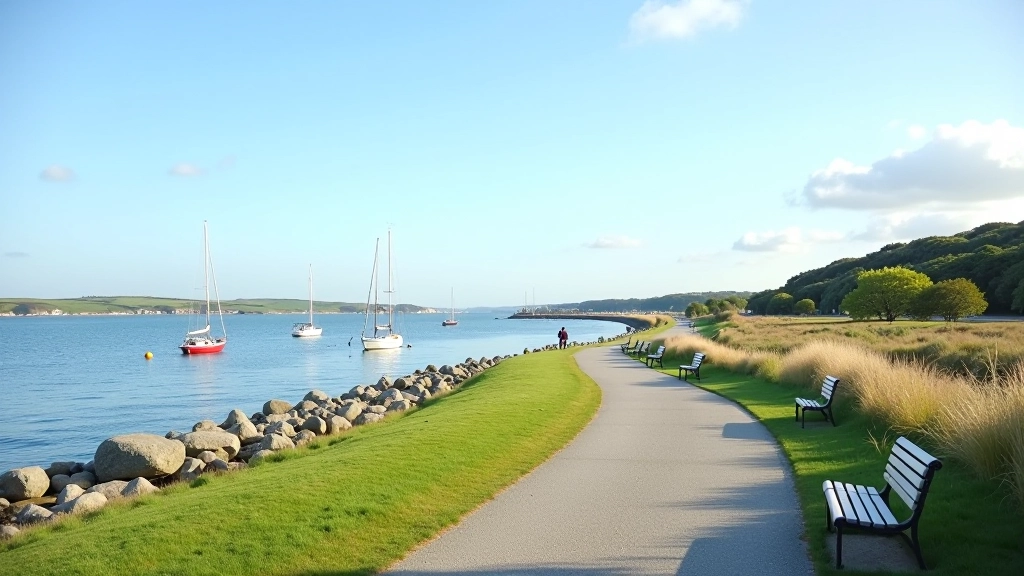
Keep your bike in top condition for those weekly rides along the Dungarvan to Clonea greenway. Salt spray, wind, and sandy conditions demand proper care.
Why Coastal Riding Demands Extra Care
Cycling along the waterfront is incredible — you get fresh air, stunning views, and that sense of freedom. But here's the thing: coastal environments are tough on bikes. Salt spray, moisture, sand particles, and wind exposure all work against your bike's components in ways that inland riding doesn't.
If you're riding the Dungarvan to Clonea route regularly — maybe twice a week or more — you're exposing your bike to conditions that wear parts faster. Your chain gets gritty. Rust creeps onto metal. Cables corrode. Neglect these issues and you'll find yourself replacing components way sooner than you should.
The good news? Regular maintenance isn't complicated. It's mostly about staying on top of cleaning, lubrication, and a few quick inspections. You don't need a workshop or expensive tools — just basic items and 15 minutes a week.
Post-Ride Cleaning: Your First Defense
After each coastal ride, your bike's picked up salt residue, sand, and spray. You need to rinse it — properly. Not a quick hose-down, but actual cleaning.
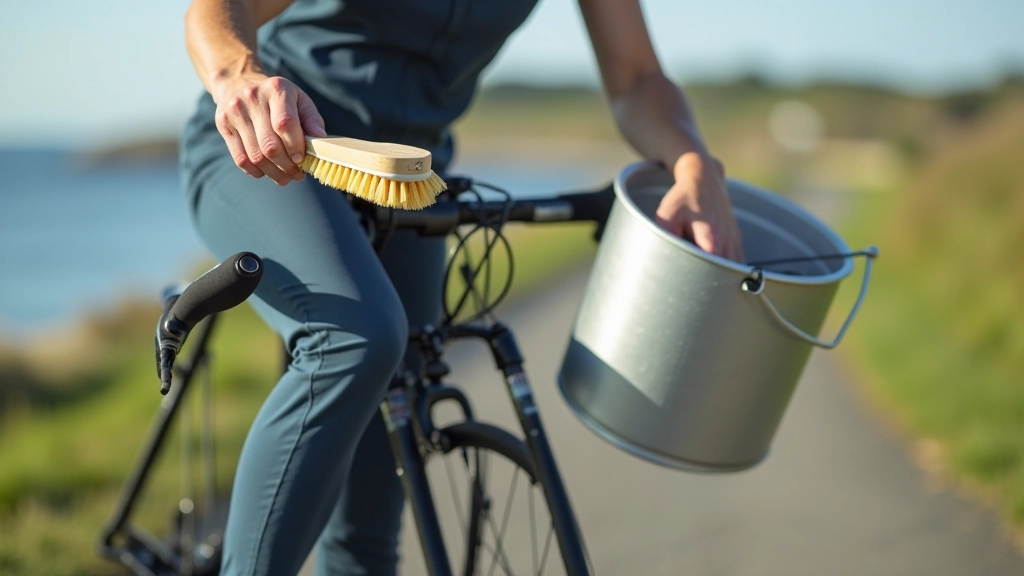
Grab a bucket of fresh water and a soft brush. Start with the frame, rinsing away the visible grit and salt. Pay special attention to joints where the frame tubes meet — salt collects there. Move to the drivetrain: chain, cogs, and derailleurs. Use a small brush to get into the gaps. These areas trap sand and salt that'll accelerate wear.
Dry everything with an old cloth. Don't let water sit on metal — moisture is rust's best friend. Once dry, you've removed the corrosive elements. Takes about 10 minutes if you're not fussing.
Pro tip:
Keep your cleaning bucket near where you store your bike. If it's part of your routine — like checking your phone when you get home — you'll actually do it.
Lubrication: The Difference Between Smooth and Stuck
Once your bike's clean and dry, you'll lubricate the moving parts. This is critical for coastal riding because salt and moisture strip away existing lubricant. You're replacing what you've lost and creating a protective barrier.
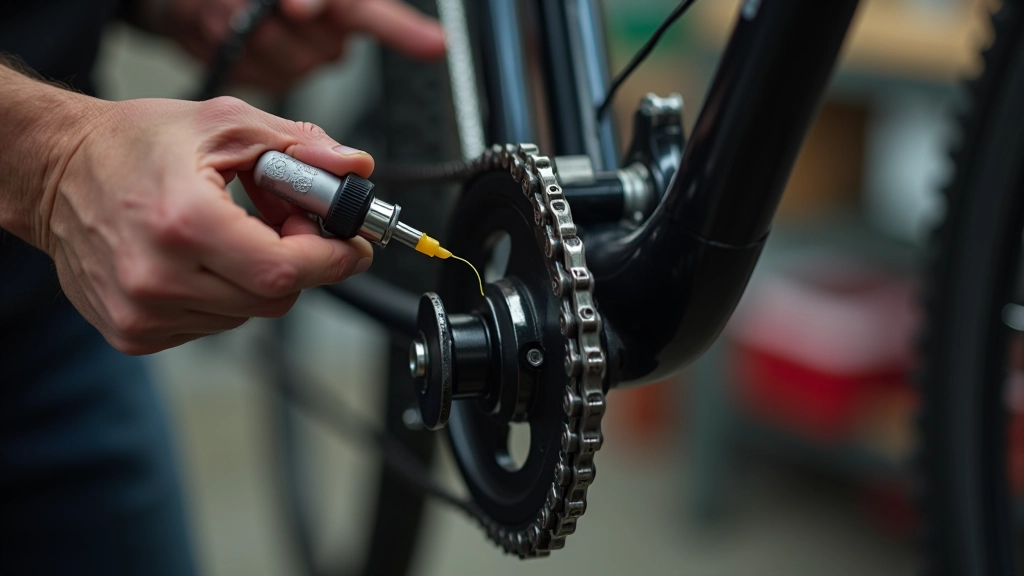
Start with the chain. Use a dedicated bike chain lubricant — not WD-40 or general machine oil. Bike lube is formulated to stay on the chain and resist salt spray. Spin the pedals backward and apply a tiny amount to each chain link as it passes the top. One drop per link. You want a thin coating, not a slick mess. Wipe off any excess with a cloth.
Don't forget the cable housings where they enter the shifter and brake lever. A small dab keeps cables moving freely. Also, apply a drop or two where the derailleurs pivot. These joints need lubrication to shift smoothly.
Timing:
Lubricate weekly if you're riding twice a week. If you go 10 days between rides, do it before your next outing.
The Weekly Inspection: Catching Problems Early
1
Check for Surface Rust
Run your eyes over the frame, fork, and metal components. Early rust shows as orange discoloration, usually starting at welds or crevices. Catch it now with a wire brush and some rust remover. Left alone, it eats into the metal.
2
Test Your Brakes
Squeeze both brake levers. They should feel firm and responsive. If they're spongy or require excessive pressure, your brake cables might be corroded or the pads are worn. Coastal moisture accelerates brake pad wear, so don't ignore this.
3
Shift Through All Gears
Spin the pedals and click through your entire range — front and rear. Shifts should be crisp. Hesitation or grinding means cable corrosion is affecting your derailleurs. This needs attention sooner rather than later.
4
Inspect Tire Condition
Look for cuts, embedded sand, or visible wear. Salt spray doesn't affect rubber much, but sand and debris can create small tears. Check pressure too — underinflated tires wear faster and make pedaling harder.
These checks take five minutes. You're not doing major repairs — just spotting problems before they become expensive. Most issues caught early are simple fixes.
Seasonal Deep Maintenance: Winter Prep
Twice a year — ideally in late autumn and early spring — do a thorough maintenance session. Winter coastal weather is particularly harsh. Salt spray increases, humidity rises, and your bike needs serious attention before the wetter months arrive.
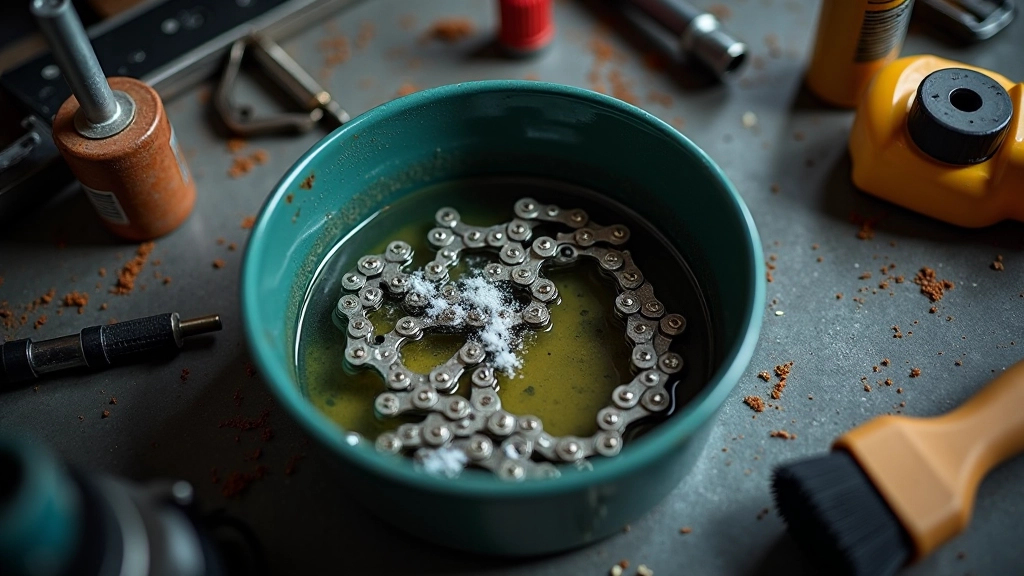
Remove the chain completely and soak it in a degreaser for 15 minutes. While it's soaking, clean out the chainring teeth with a brush. Grit accumulates between the teeth and accelerates wear. Rinse the chain thoroughly and dry it completely before reinstalling.
Inspect all cables — brake and shift. If they feel rough when you pull them, they're corroded internally. Replace them. It's not expensive (usually €10-15 per cable) but it makes a massive difference in reliability. Nothing worse than being stuck mid-ride with unresponsive brakes.
Consider:
New brake pads every 12-18 months if you're riding coastal routes regularly. The salt and moisture wear them faster than your mileage alone would suggest.
Smart Storage: Protection Between Rides
Where you store your bike matters more than you'd think, especially living near the coast. Even a covered bike exposed to salt-laden air will corrode faster than one stored indoors.
Indoor Storage
Best option if possible. Garage, shed, or spare room. Away from windows and salt air. Store it on a stand or wall mount — not leaning against something where moisture can pool underneath.
Protective Cover
If outdoor storage is your only option, use a breathable bike cover. Breathable is key — traps moisture and you'll accelerate rust. Position it so air can circulate underneath.
Protective Coating
Apply a light coat of frame protectant spray monthly during winter. It creates a water-repellent layer that prevents salt from reaching bare metal. Think of it as sunscreen for your bike.
Essential Tools You'll Actually Use
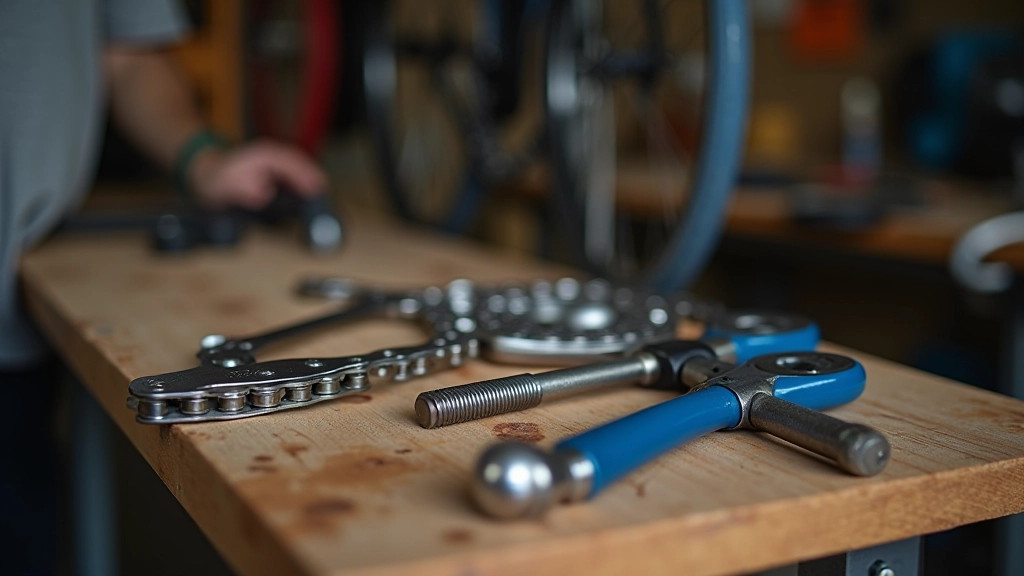
You don't need a professional workshop. These basics cover 95% of routine maintenance:
Chain Lubricant
Bike-specific lube designed for your climate. Wet lube for coastal areas where moisture is constant.
Soft Brushes
One for general cleaning, one small brush for drivetrain detail. Soft bristles won't scratch components.
Basic Hex Wrench Set
Covers most bolt sizes on your bike. €10-15 for a complete set.
Tire Levers
For removing tires if you get a puncture. Plastic ones won't damage rims.
Pump with Gauge
Check tire pressure weekly. Correct pressure is critical for performance and durability.
Wire Brush
For removing surface rust. Brass wire won't scratch metal as aggressively as steel.
Total cost for a basic kit: €40-60. You'll use these tools for years. Far cheaper than replacing corroded components or paying a mechanic.
The Bottom Line
Coastal riding's incredible. That weekly escape to the waterfront, the rhythm of pedaling, the views — you don't want to miss it because your bike's broken down. Regular maintenance keeps you riding and keeps your bike in good shape for years.
You're looking at roughly 30 minutes of work per month: weekly cleaning and inspection, monthly lubrication, seasonal deep maintenance. Compare that to €200-500 in replacement parts every couple of years if you neglect things. The math is obvious.
Start small. Do a proper cleaning this week. Get your basic tools sorted. Next week, do the inspection routine. Once these habits stick, you'll notice your bike shifting smoother, braking better, and you'll catch problems before they become expensive. That's the whole game.
Disclaimer
This article provides educational information about bicycle maintenance for coastal cycling. While these practices are widely recommended, individual bike conditions vary. For major repairs, complex mechanical issues, or if you're uncomfortable performing maintenance yourself, consult a qualified bicycle mechanic. Improper maintenance can affect bike safety and performance. Always wear appropriate safety gear when riding.

Related Articles