Staying Safe on Waterfront Cycle Routes
Essential safety practices and awareness techniques for cycling the Dungarvan to Clonea greenway and similar coastal paths
Why Safety Matters on Waterfront Routes
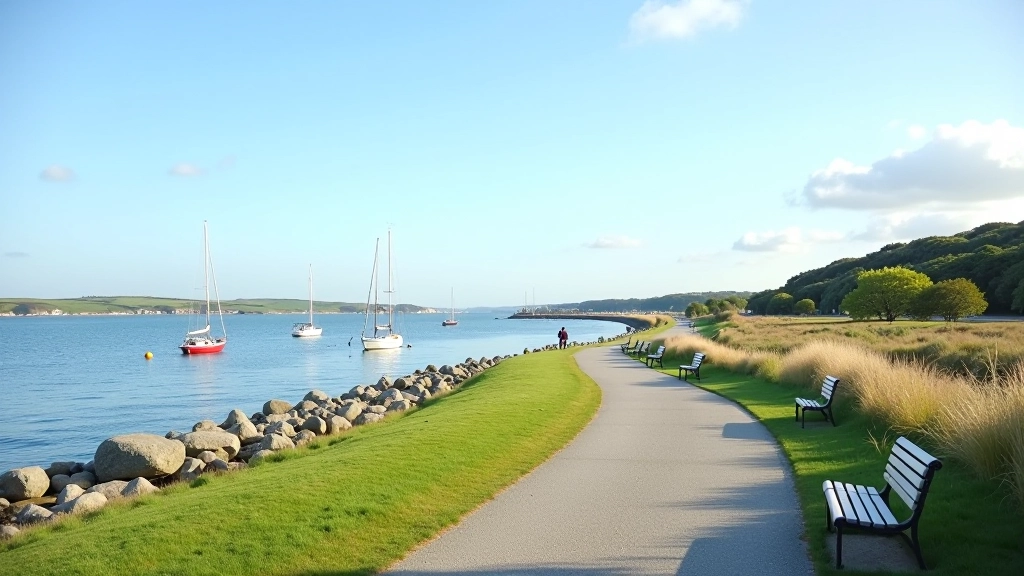
Waterfront cycling paths offer wonderful scenery and peaceful riding conditions. They're especially popular with retirees and leisure cyclists who want to enjoy coastal views without heavy traffic. But these routes come with their own unique hazards — and that's what we're covering here.
The Dungarvan to Clonea greenway is beautifully maintained and relatively flat, which makes it accessible for most fitness levels. That said, you'll still encounter weather challenges, pedestrians, and path-specific conditions that require your attention. We've put together practical guidance based on what actually happens on these routes — not generic cycling safety, but real advice for waterfront riding.
What You'll Learn
- Visibility and lighting essentials for open waterfront paths
- Managing wind and weather conditions effectively
- Sharing the path respectfully with pedestrians
- Bike handling techniques for coastal surfaces
- Essential safety checks before each ride
Visibility on Open Paths
Open waterfront paths present a different visibility challenge than busy roads. You're not dealing with traffic, but you're dealing with exposure. The lack of buildings or shelters means less reflection and more glare from the water, especially in afternoon rides.
Bright colors work here. A fluorescent yellow or orange vest isn't just for cyclists on roads — on the greenway, it makes you visible to pedestrians who might not notice movement against the water backdrop. Reflective elements matter too, particularly on early morning or evening rides when light's softer and more diffuse.
Don't rely on your bike's lights alone during daylight. They're honestly not very visible in bright conditions. Instead, focus on your clothing and accessories. A bright jersey, handlebar flags, or reflective arm bands make a real difference. Most accidents happen because someone didn't see movement, not because lights weren't flashing.
Wind and Weather Awareness
Waterfront paths are exposed. There's no shelter, so wind conditions matter far more than they would on an inland route. We're not talking about dramatic gusts that knock you over — that's rare on the Dungarvan route. What's common is steady lateral wind that requires constant micro-adjustments to your line.
The trick is recognizing it early. When you first set out, check how the water's moving and how trees are behaving. If you notice whitecaps or leaves being pushed around consistently, you're looking at 15+ mph wind. That's manageable on a flat path, but it means narrower grip, shoulders slightly tense, and more attention to your line — especially when passing pedestrians.
Rain is another consideration. Waterfront paths often stay wetter longer because of spray and reflection from the water surface. Your braking distance increases significantly. Slow down at least 20% in wet conditions, and give yourself extra space from other path users. It's not dramatic — just thoughtful riding.
Path Surface and Bike Handling
The Dungarvan to Clonea route is paved and well-maintained, but it's not uniformly perfect. You'll encounter slight undulations, areas where water pools in heavy rain, and occasional gravel patches from winter maintenance. These aren't dangerous — they're just conditions you need to notice.
Coastal paths get salt spray exposure, which affects your bike differently than inland riding. Your chain wears faster, rust spots appear more quickly, and brake pads degrade sooner. This means regular maintenance isn't optional — it's essential for safe braking and smooth handling.
Watch for algae growth on the path, especially near shaded sections or areas close to the water. It looks like a slight greenish film but it's genuinely slippery when wet. When you spot it, treat it like ice — slow down, don't brake hard, and keep your weight centered. Most experienced waterfront cyclists just avoid those patches entirely by riding slightly wider.
Pre-Ride Safety Checks
Before every ride, especially on waterfront routes where you can't easily walk out, spend two minutes on these checks. It's not paranoid — it's the difference between a smooth ride and an unnecessary problem.
1
Brakes and Wheels
Spin each wheel and listen for rubbing. Squeeze the brake levers and confirm they engage with solid resistance. Brakes are your most critical safety system on a path. Wet conditions amplify any issues, so test them in dry conditions first.
2
Tire Condition and Pressure
Look for cuts or embedded stones. Check pressure with a hand pump or gauge — slightly under-inflated tires handle wet surfaces better, but extremely soft tires slow you down and risk pinch flats. Aim for the pressure range marked on your tire sidewall.
3
Lights and Visibility Gear
If it's early morning, late evening, or overcast, confirm lights work. Swap batteries if you're unsure about charge level. Wear your bright vest even if it's not dark yet — the transition period between bright and dim light is actually more dangerous for visibility.
4
Seat and Handlebar Position
Check that your seat is secure and at a consistent height. Wobbling handlebars are immediately noticeable and destabilizing. A quick visual check and firm pressure on each component ensures nothing's loose.
5
Weather and Route Conditions
Check a quick weather update. High wind warnings mean extra caution. Recent heavy rain means the path might have pooled water or algae growth. This information adjusts your riding approach before you start.
Being Prepared for Problems
The Dungarvan route is well-populated and relatively close to towns, which is reassuring. But you're still on an open path where you can't just flag down a car. Preparation matters.
Carry a phone, even if it's just for emergencies. You don't need it constantly — just have it available. A flat tire or mechanical issue becomes far less stressful when you can call someone. Most people also carry basic repair tools: a spare tube, tire levers, and a small pump. These aren't heavy, and they've prevented countless walks back to the car.
Tell someone your route and expected return time. This is simple but genuinely important. On a busy route it's not a major concern, but it's a good habit for any cycling. If something goes wrong — a fall, a mechanical failure, or even just getting lost on an unfamiliar section — someone knows where to look.
Know where you can get help. The Dungarvan greenway has good mobile coverage and isn't isolated, but knowing which sections have nearby cafes or parking areas where you could shelter while waiting for assistance is practical knowledge.
Safe Cycling is Enjoyable Cycling
The best part about understanding safety on waterfront routes is that it removes anxiety. When you know what to watch for, you're not worrying — you're just riding. You notice wind patterns, you anticipate pedestrian movement, you maintain your bike properly, and you ride with intention.
The Dungarvan to Clonea greenway is genuinely beautiful and accessible. It's perfect for building confidence as a cyclist or rediscovering cycling after years away. Safety practices don't slow you down or complicate the experience — they actually enhance it because you're present and engaged with your surroundings rather than anxious about unknowns.
Start with the basics: visibility, awareness of other path users, understanding your brakes, and regular maintenance. Build from there. Every ride teaches you more about how your bike handles, how you respond to conditions, and what feels comfortable. That's how safety becomes second nature.
Ready to explore the greenway safely?
Learn More About Getting Started
Disclaimer
This article provides educational information about cycling safety practices on waterfront routes. The guidance is based on general cycling best practices and conditions commonly found on Irish coastal greenways like the Dungarvan to Clonea path. Individual circumstances, weather conditions, and personal fitness levels vary significantly, and you're responsible for assessing your own capabilities and local conditions before cycling.
Always follow local traffic rules, path regulations, and safety signage. If you have concerns about your cycling ability, physical fitness, or specific medical conditions, consult with appropriate professionals. The information here is not a substitute for professional instruction, personal assessment, or expert advice specific to your situation.
Related Articles